
When the Path Disappears
Navigating the Landscapes of Illness

I can’t quite get close enough to the hospital bed, and Mum can’t hear me for some reason. The saline drip is gently bubbling away, and the cannula looks sore in her arm. The room is clean but clinical and necessarily sparse. It is nothing like the comforts of home, but Mum is very much in the right place.
The air bed alarm keeps loudly sounding off, and people come and go into the room for all kinds of reasons during my brief visit. The white walls and hospital bed rails are a far cry from the hills and the beach that I usually write about.
After about ten minutes, Mum is already starting to show signs of exhaustion, so I make my excuses and leave for home. In the mirrored lift, I am greeted by my ageing reflection, white hair now rather than blond. As the lift goes down, I find myself asking: ‘How do I respond to facing cancer?’
The Temporary Pause vs. The Permanent Shift
Often, minor illnesses, like a cold or perhaps the flu, arrive in our lives and are nothing more than a temporary, frustrating inconvenience (assuming we don’t have any underlying complications). Sometimes our lives may have been so full-on recently that a ‘genuine’ reason to rest, relax, and take a duvet day or two is almost welcomed.
But what of more serious illnesses? What if, like Lucy, you broke your leg? What would you do then? Most of us would need to dig deep to find the patience to cope with the slow, painful rehab.
But what about something more permanent, so to speak? What if dementia or cancer came knocking on your door?
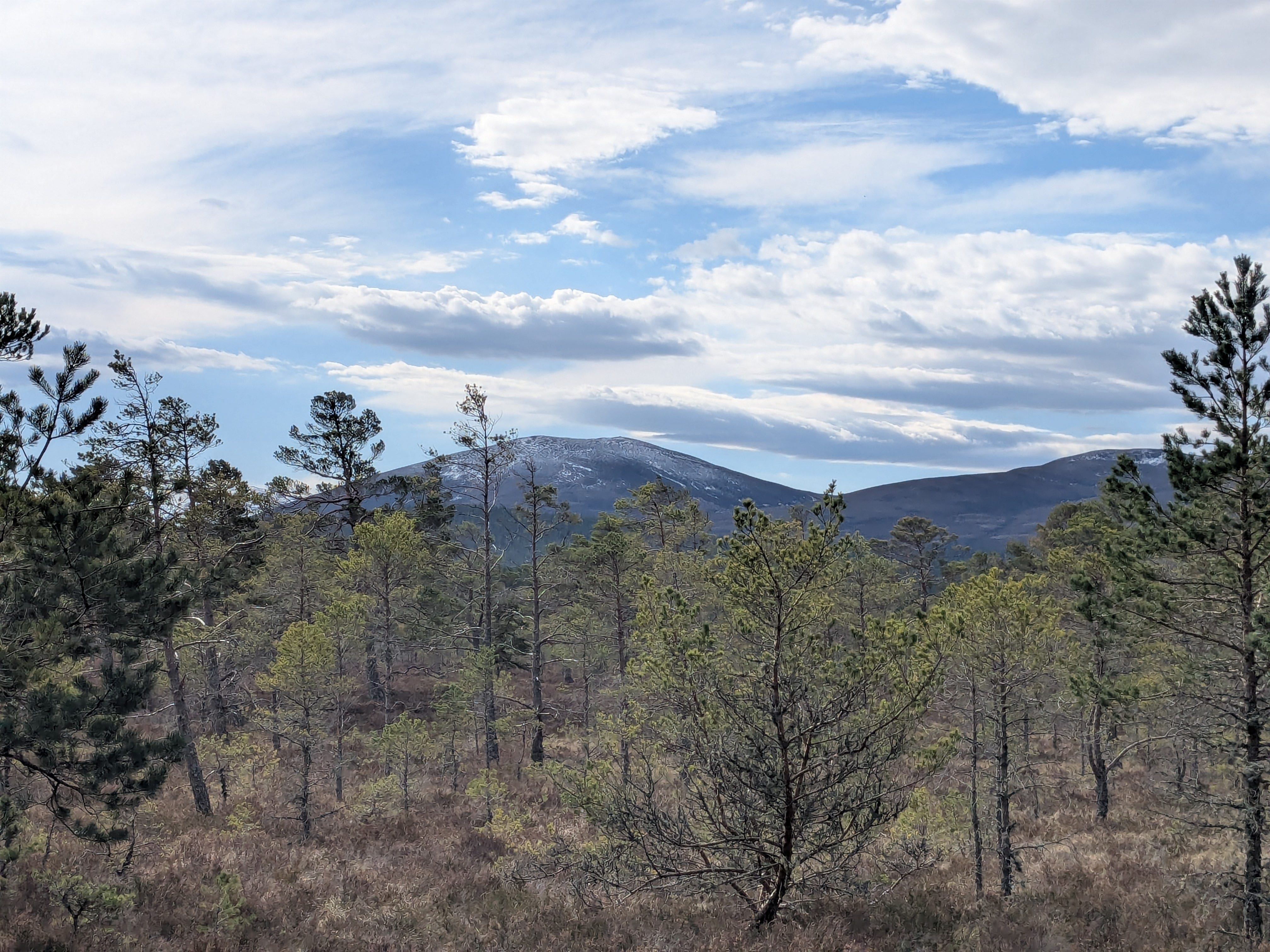
I was on a call with Dementia Adventure this week, the organisation I co-founded with Lucy, and with whom I am preparing to lead our next holiday in the Highlands called the Highland Fling. I was meeting two of the guests I will be supporting on the holiday in May. The gentleman on the call had early-onset dementia. He was bright, jovial, and told me plainly (but with a wry smile) that he is spending the kids’ inheritance doing things they enjoy whilst they still can. They were excitedly looking forward to flying to Scotland for their holiday. I was struck by how positive they both were as the call ended.
Finding a Smile Through the Pain
Mum’s cancer is both rare and now untreatable. Recent care has been more palliative, leading to two hospital stays and most of April spent in clinical care settings, trying to get the delicate balance of her health and well-being optimised.
Yet, if you were to visit Mum, you would find her to be smiling, positive, and grateful for her care. The pain in her broken back (from coughing) is easing, she says, and isn’t too bad. Remarkably, mum came home yesterday, having made what the doctors describe as a ‘miraculous’ recovery from what looked like death’s door just days ago.
When Mum first had her lung removed, she was optimistically given a 4-to-5-year prognosis post-surgery. That was nearly fifteen years ago.
Similarly, I have known many people with dementia who live positive, meaningful lives despite their diagnosis for similar periods of time. Yet, I know the opposite to be true, too.
I don’t have all the answers, far from it. But there is a fascinating branch of science called psychoneuroimmunology that explores exactly this. Researchers have found that a positive outlook, a sense of purpose, and gratitude actually lower our cortisol levels (our stress hormones). When our stress drops, our immune system functions better, and our physical perception of pain actually decreases.
Positive thinking does not cure cancer, and it does not reverse dementia. But there is undeniable evidence that the positivity of spirit I have witnessed in my personal and professional caring roles builds incredible resilience. It improves the quality of life we are living right now. There is also something about planning ahead, accepting the next stage when it comes, and taking the required action to get through that phase.
Overall, when I look back at over 30 years of older people’s mental health work, I am struck by how grateful individuals are who seemingly, and by comparison, might not have a lot to be thankful for. Is it this gratitude that lowers their stress and keeps them finding a smile through the pain?
How do you respond to illness?
I would be keen to hear your experiences of navigating periods of your own illness, or the realities of supporting a loved one.
Thank you in advance for your support.
Just keep swimming, friends.
Neil
Further Reading: The Science of Resilience and Health
If you are interested in the science behind how a positive outlook impacts our physical health, here are a few resources to explore:
On Dementia and Positive Ageing: Dr Becca Levy, a leading researcher at the Yale School of Public Health, has conducted groundbreaking research showing that positive beliefs about ageing can actually protect against dementia, even for those with a genetic predisposition. Read the Yale study published in PLOS One here.
On the Mind-Body Connection (Psychoneuroimmunology): For a deeper dive into how our thoughts impact our immune system, the American Psychological Association (APA) provides a fantastic overview of how reducing stress and maintaining a positive outlook lowers cortisol and boosts immune function. Read the APA’s overview on stress and immunity here.
On Resilience and Serious Illness: Johns Hopkins Medicine offers an excellent, accessible summary of how positive thinking and resilience improve the quality of life, cardiovascular health, and coping mechanisms for patients navigating serious, long-term diagnoses. Read the Johns Hopkins article on the Power of Positive Thinking here.